
Masjid al-Haram
Kaaba, Hajar al-Aswad, Maqam Ibrahim, Hijr Ismail, Zamzam, Safa & Marwah
Mountains
Cave of Hira (Jabal al-Nour), Cave of Thawr (Jabal al-Thawr)
Makkah is home to some of the most significant places in Islamic history, from the Kaaba itself to the mountains and battlefields connected to the Prophet Muhammad’s ﷺ life. This complete guide to Makkah Ziyarat walks you through every major site, what each place means, and how to plan your visit. Whether you have one free afternoon or several days, you will find enough here to plan a visit that actually makes sense, not just a list of names.
Makkah Ziyarat (also called Mecca Ziyarat) covers historical and religious sites connected to early Islam, including places tied to the Prophet Muhammad ﷺ, the Hajj rituals, and the early Muslim community. These Makkah holy places fall into a few natural groups: sites inside Masjid al-Haram, mountain sites like Cave of Hira and Cave of Thawr, Hajj-related locations like Mina and Arafat, historic cemeteries and mosques, and miqat points such as Masjid Aisha (Taneem).
Some of these places carry established religious significance. Others are historically documented but not tied to a specific ritual. Knowing the difference helps you plan a visit that fits your priorities, whether that is spiritual reflection, historical interest, or both. Most pilgrims combine a few nearby sites into a single private tour rather than visiting each one separately.
Kaaba, Hajar al-Aswad, Maqam Ibrahim, Hijr Ismail, Zamzam, Safa & Marwah
Cave of Hira (Jabal al-Nour), Cave of Thawr (Jabal al-Thawr)
Masjid Aisha / Taneem, Ji’ranah
Jannatul Mualla, Masjid al-Jinn
Mina, Arafat (Jabal ar-Rahmah, Masjid Nimrah), Muzdalifah
Hudaybiyyah
Masjid al-Rayah, Masjid Namirah
The heart of Makkah and the direction every Muslim faces in prayer. This is where you will find the Kaaba, the Black Stone (Hajar al-Aswad), Maqam Ibrahim, Hijr Ismail, the Zamzam well, and the path between Safa and Marwah. Read the Complete Kaaba & Masjid al-Haram Guide →
The mountain where the Prophet ﷺ received the first revelation. The climb takes effort, so plan for time and physical readiness. Explore the Cave of Hira Guide →
The cave where the Prophet ﷺ and Abu Bakr (RA) hid during the migration to Madinah. Located outside the city and involves a steeper climb than Jabal al-Nour. Explore the Cave of Thawr Guide →
A historic cemetery in Makkah where members of the Prophet’s ﷺ family, including his wife Khadijah (RA), are buried. Explore the Jannatul Mualla Guide →
Linked to the account of a group of jinn accepting Islam after hearing the Prophet ﷺ recite Qur’an. Explore the Masjid al-Jinn Guide →
The most commonly used miqat point for pilgrims performing Umrah al-Jadidah, an additional Umrah during their stay in Makkah. Explore the Taneem Guide →
Another miqat location, historically tied to events after the Battle of Hunayn. Explore the Ji’ranah Guide →
Mina is where pilgrims stay during the days of Hajj, and Jamarat is where the symbolic stoning ritual takes place. Explore the Mina Guide →
Arafat is where pilgrims stand on the Day of Arafah, considered the most important day of Hajj. Jabal ar-Rahmah, the “Mount of Mercy,” and Masjid Nimrah sit within the same area. Explore the Arafat Guide →
Where pilgrims stay overnight between Arafat and Mina, collecting pebbles for the Jamarat. Explore the Muzdalifah Guide →
The site of the treaty between the Prophet ﷺ and the Quraysh, located outside Makkah on the way to Madinah. Explore the Hudaybiyyah Guide →
Beyond the sites most guides cover, a few places carry historical significance but rarely get mentioned, including Masjid al-Rayah and Masjid Namirah. We cover these in more depth in a dedicated guide for pilgrims who want to go beyond the usual list. Explore Lesser-Known Ziyarat Sites in Makkah
Most pilgrims cannot visit every site in one trip, and trying to squeeze too much in usually means rushing through places that deserve more time. A few things worth thinking through before you plan your route:
See the Full Makkah Ziyarat Cost & Distance Guide
Grouping nearby sites into a single visit saves time and makes the trip more comfortable. These are starting points, not fixed itineraries.
Cave of Hira → Jannatul Mualla → Masjid al-Jinn
Cave of Hira → Cave of Thawr
Masjid Aisha (Taneem) → Ji’ranah
Mina → Arafat → Muzdalifah
Need transportation for your Makkah Ziyarat? Several of these sites are spread across the city and outskirts, and some, like Cave of Thawr and Hudaybiyyah, are not practical to reach on foot. Holy Ziyarat offers:
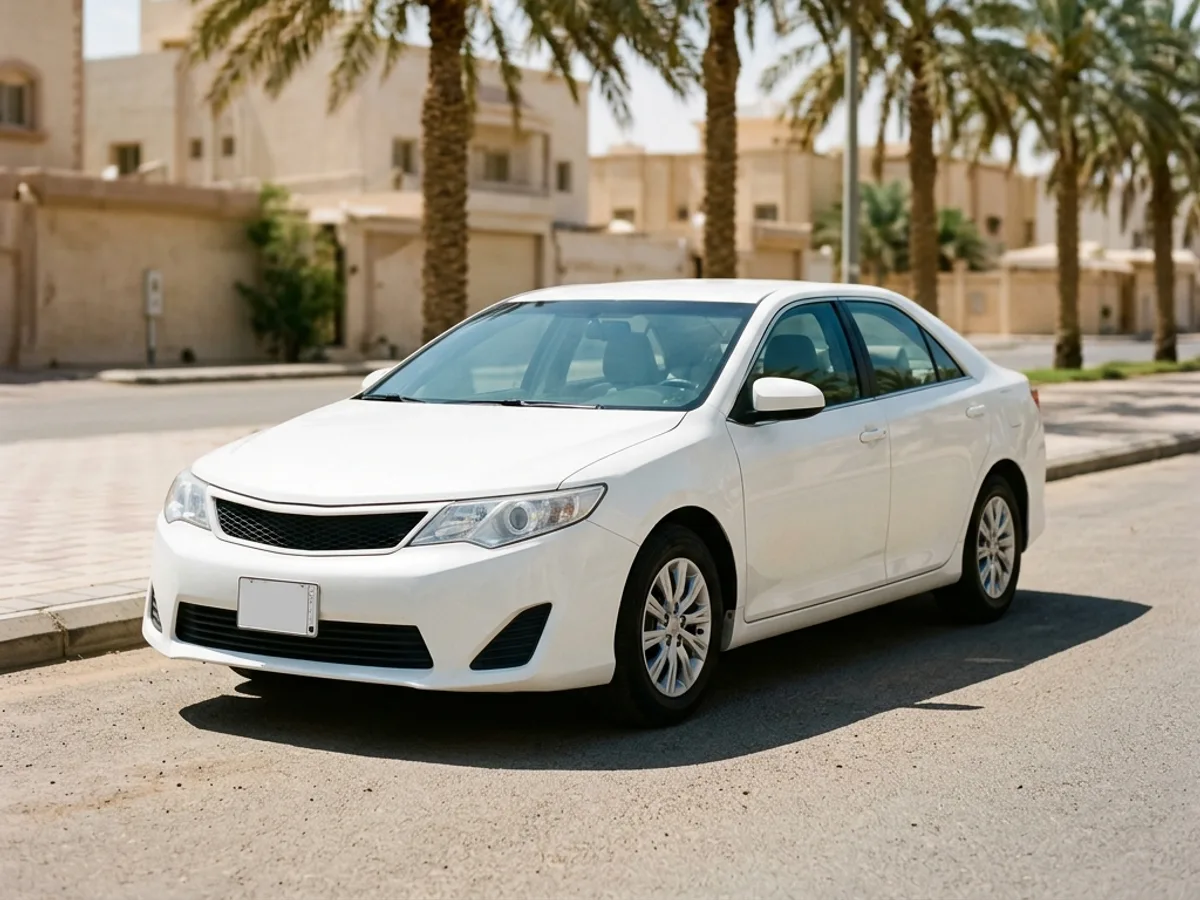
For individuals and couples visiting Makkah Ziyarat sites.

Suited to elderly parents or children travelling with you.

For larger parties visiting sites together.
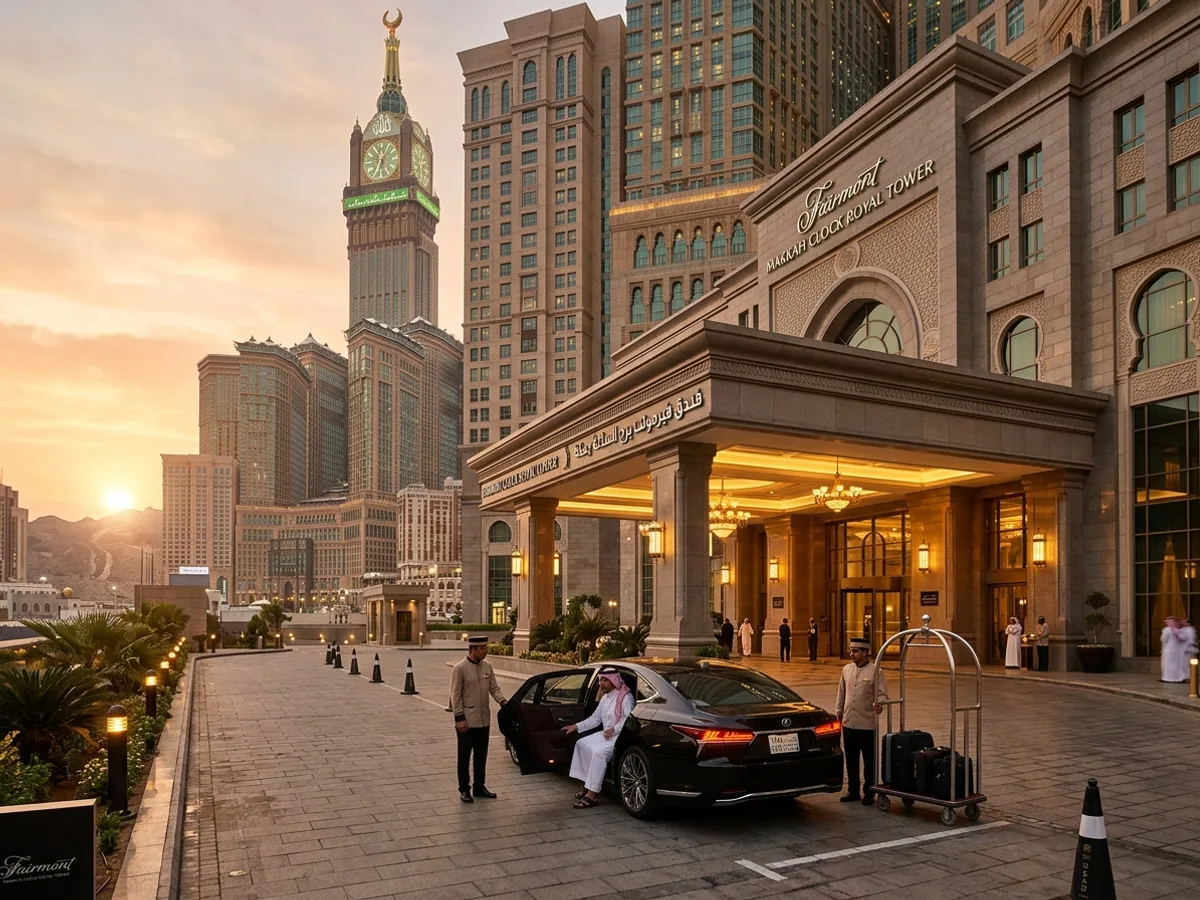
Your journey begins right at your hotel door.

For pilgrims continuing their journey to Madinah.
Full route and vehicle details are on our Transportation & Routes page.
Some Makkah Ziyarat sites are directly tied to acts of worship and established through reliable Islamic sources, such as Masjid al-Haram, the Kaaba, and the miqat points used for entering the state of Ihram.
Other sites are historically documented without being tied to a specific ritual, such as Cave of Hira, Cave of Thawr, and Hudaybiyyah. Visiting these places connects pilgrims to real events in early Islamic history, even though visiting them is not a requirement of Umrah or Hajj.
Beyond religious and historical value, practical details like access, terrain, and timing shape how a visit actually goes. This guide focuses on that practical layer, so scholarly or ritual-specific questions are best confirmed with a qualified source.
Ziyarat means visiting places connected to the Prophet Muhammad ﷺ and early Islamic history. In Makkah, this includes sites inside Masjid al-Haram as well as historical locations like Cave of Hira and Jannatul Mualla.
The main Makkah Ziyarat sites include Masjid al-Haram, Cave of Hira, Cave of Thawr, Jannatul Mualla, Masjid al-Jinn, Masjid Aisha (Taneem), Ji’ranah, Mina, Arafat, Muzdalifah, and Hudaybiyyah.
No. Ziyarat is not a required part of Umrah or Hajj rituals. Most pilgrims choose to visit these sites for reflection and historical understanding, separate from the actual rites of Umrah.
It depends on how many sites you visit and how you group them. A route covering three to four nearby sites usually takes half a day, while covering Hajj sites like Mina, Arafat, and Muzdalifah together can take a full day.
Yes, if the sites are close to each other. Grouping nearby locations, like Cave of Hira with Jannatul Mualla, works well in a single day. Combining distant sites in one day usually means less time at each one.
Early morning or late afternoon usually works best, especially for sites involving climbing. During Ramadan, sites closer to Masjid al-Haram see far more visitors, so planning around off-peak hours helps.
You do not need one, but many pilgrims find it helpful. A guide who knows the history and layout of each site can save time and explain context you would otherwise miss, especially for first-time pilgrims.
Both work, depending on your comfort level. Self-guided visits give you more flexibility, while a guided tour helps if you are unfamiliar with the area, travelling with family, or short on time.
Cost depends on the sites you visit and the distance covered. Our dedicated cost and distance guide breaks this down site by site.
Yes. The site is open to visitors, but reaching the cave requires a climb up Jabal al-Nour that takes physical effort and time.
Jabal al-Thawr is located south of Makkah, along the historical route the Prophet ﷺ and Abu Bakr (RA) took during the migration to Madinah.
Yes. Holy Ziyarat offers private vehicles for individuals, couples, and families visiting Makkah Ziyarat sites.
Yes. Family bookings can be arranged with vehicles suited to group size, including options that account for elderly parents or young children.
Planning the whole trip? See our Transportation & Routes guide, or explore all Ziyarat Guides.
Now that you know the history behind each site and how to plan your route, the next step is getting there comfortably. Holy Ziyarat offers private, family-friendly transportation for every Makkah Ziyarat site covered in this guide, from the caves to Mina, Arafat, and Muzdalifah.
© 2026 Holy Ziyarat Ltd. All Rights Reserved.
Holy Ziyarat Ltd is registered in England and Wales, company number 17534607. Registered office: Office 2112, 85 Dunstall Hill, Wolverhampton, WV6 0SR, United Kingdom.